


Blog
Stay updated on the latest news in the PVD and galvanic treatments world. Next-generation metallic coatings, luxury finishes, and technological innovation in the galvanic and PVD industry.
Featured articles
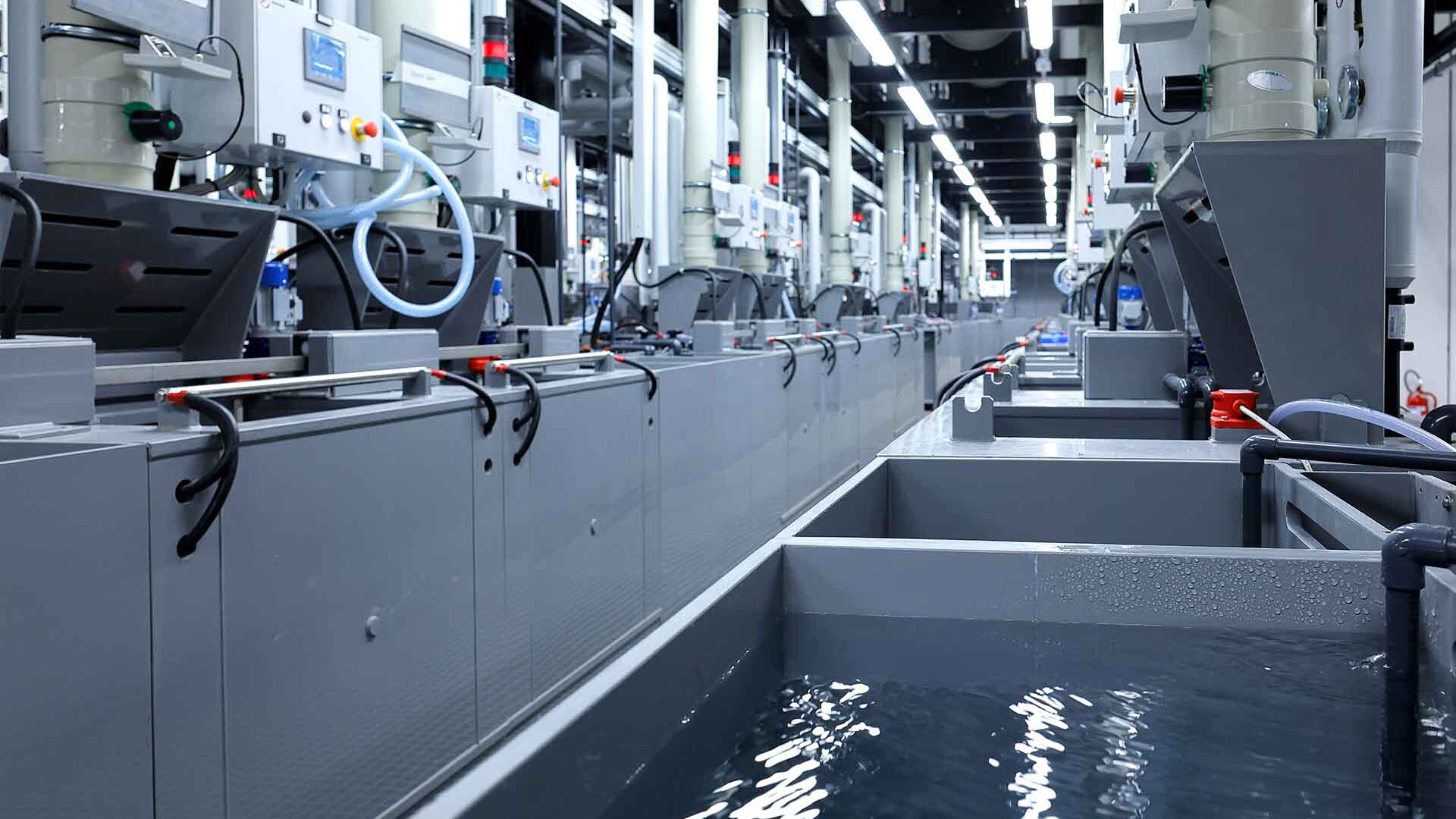
Fire risk management in galvanic and PVD plants: regulatory obligations and best practices
The fire risk in galvanic and PVD plants stems from a combination of factors: high-power electrical systems, pressurized technical gases, and much more. All typical elements of surface treatment…
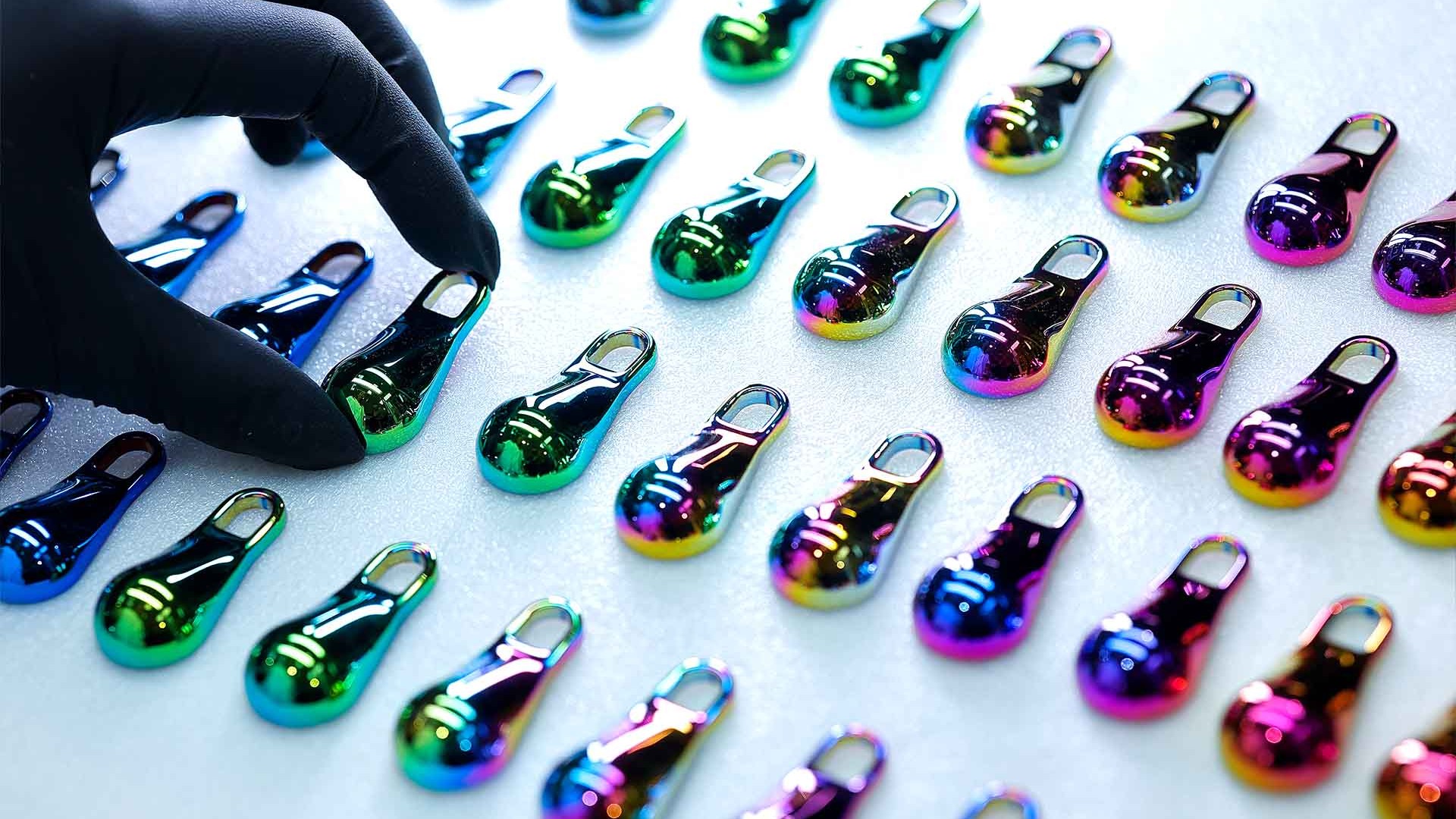
PVD treatment in the fashion sector: applications on accessories, jewelry, and watches
PVD (Physical Vapor Deposition) has become a benchmark standard in fashion and luxury for a simple reason: it offers what the sector demands: stable colors, premium finishes, and high wear…

PVD Decoating: what it is, when it is applied, and how to preserve the base material
Decoating is a chemical or mechanical treatment aimed at removing a previously applied PVD coating while preserving the integrity of the underlying base material. Not to be confused with…
All articles
Fire risk management in galvanic and PVD plants: regulatory obligations and best practices
Fire risk in galvanic and PVD plants: regulatory obligations (Legislative Decree 81/08, Presidential Decree 151/2011,…
PVD treatment in the fashion sector: applications on accessories, jewelry, and watches
How decorative PVD works on jewelry, watches, and fashion accessories: finishes, preparation, and defects to avoid.

PVD Decoating: what it is, when it is applied, and how to preserve the base material
Decoating is the controlled removal of PVD coatings: a chemical or mechanical treatment to recover rejects, worn tools,…

Decorative PVD: metal finishes, colors, and durability in the fashion and design sectors
Decorative PVD: chromatic variety and surface resistance in a single treatment. Gold, black, and gunmetal finishes for…
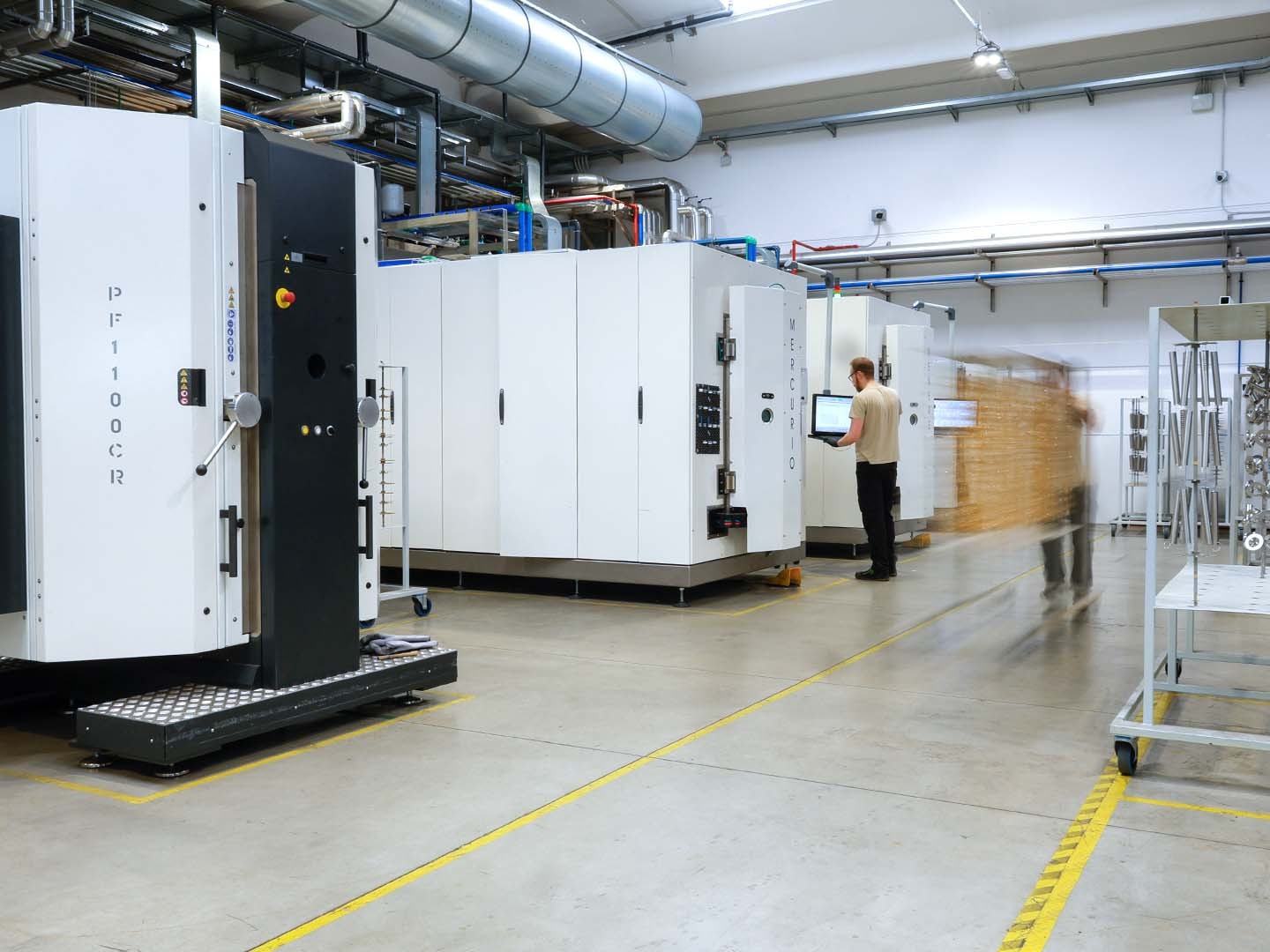
Vacuum in PVD (physical vapor deposition)
Vacuum is the enabling condition for PVD: it determines film quality, deposit purity, and treatment repeatability.…
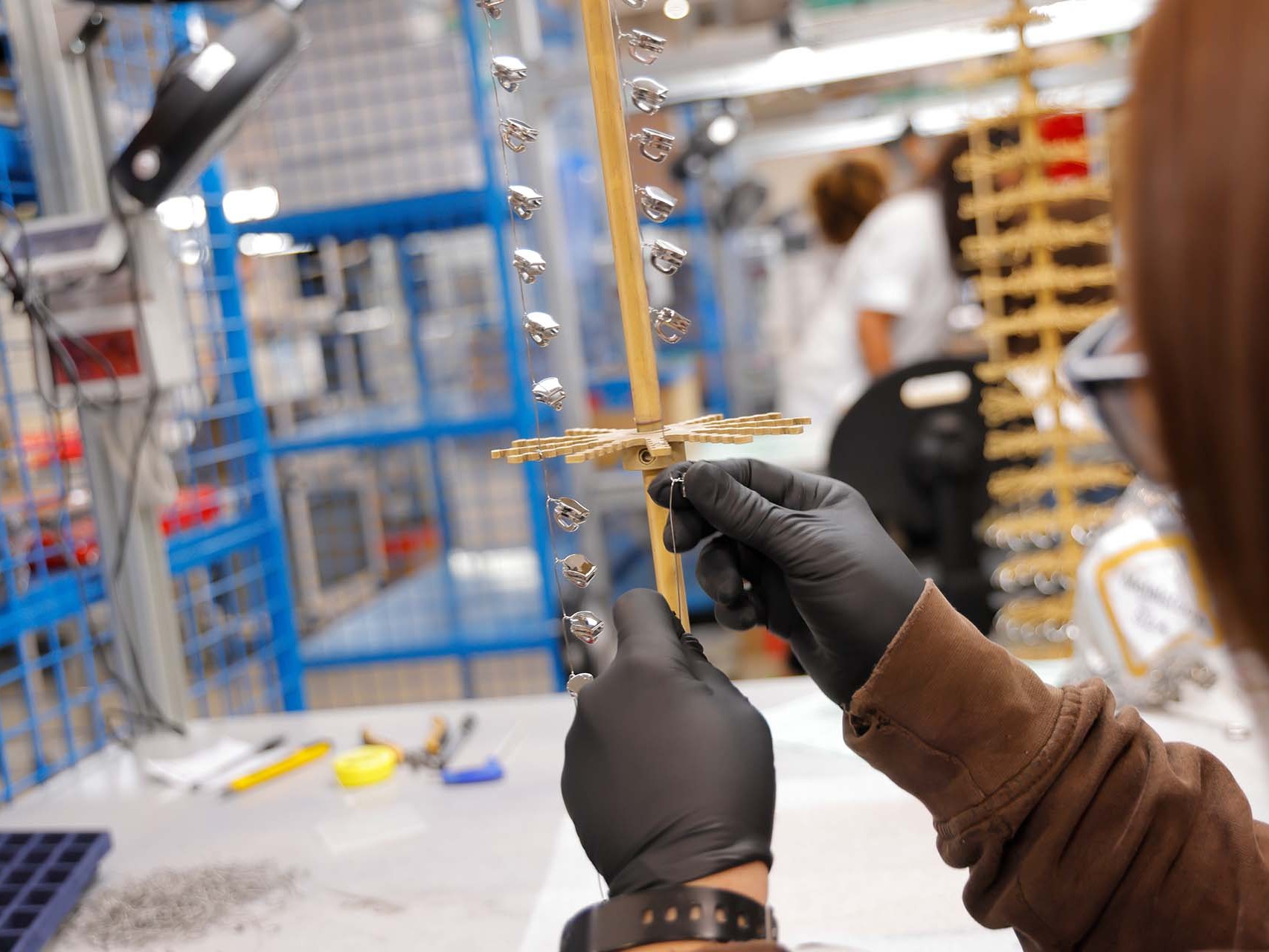
PECVD: Plasma Enhanced Chemical Vapour Deposition
PECVD: plasma-enhanced chemical vapour deposition at reduced temperatures, for functional coatings with controllable…