

Copper in electroplating treatments: properties, applications, and oxidation management
Copper is one of the most widely used metals in galvanic surface treatments, where it acts as the first metallic layer deposited on the substrate of manufactured goods. Its conductive properties, workability, and compatibility with subsequent treatments make it a fundamental base for electronic components, fashion accessories, and furnishing accessories, while requiring careful management of its tendency to oxidize.
Physical and chemical properties of copper
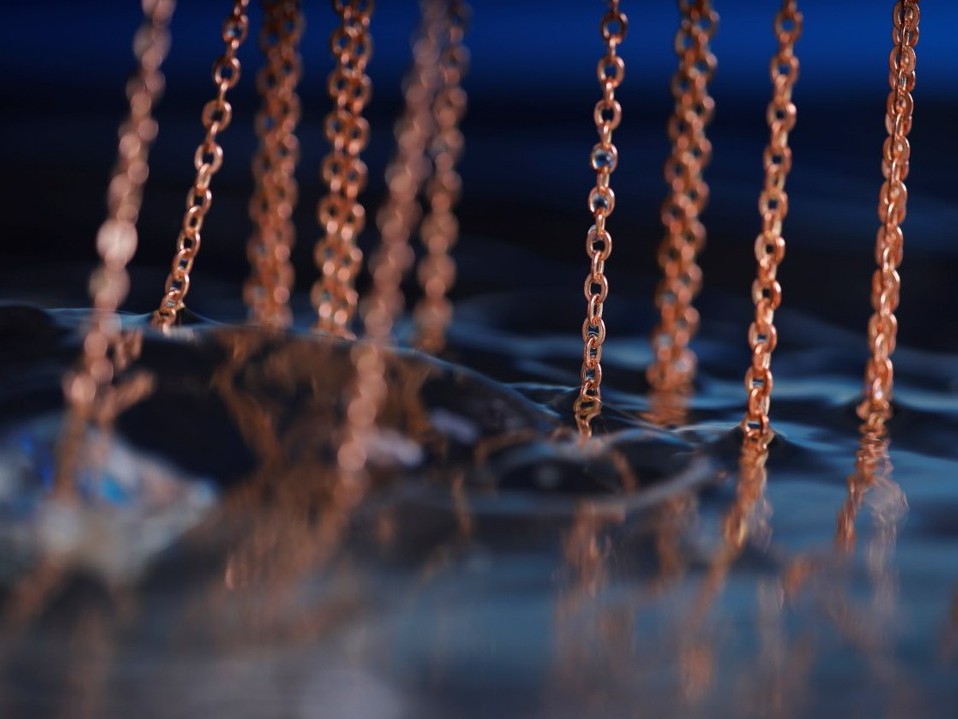
Copper is highly valued in the industrial field for a combination of properties that are difficult to find at the same level in other metals. It is an excellent conductor of electricity and heat, a characteristic that makes it strategic for electronic components and electrical contacts.
It is also a ductile and malleable metal, making it easy to deposit in thin, regular layers during the galvanic process. Its main limitation is its ease of oxidation upon contact with air and moisture, an aspect that heavily influences how it is used in surface treatment cycles.
Copper in the galvanic process: alkaline bath and acid bath
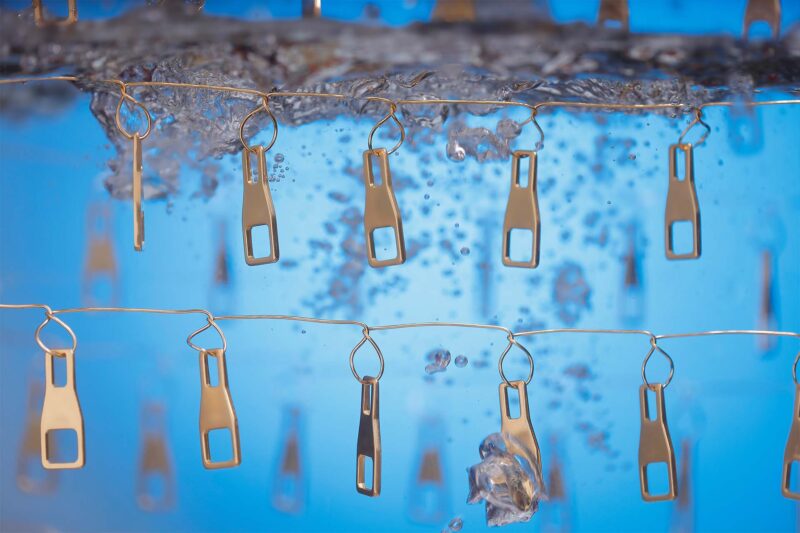
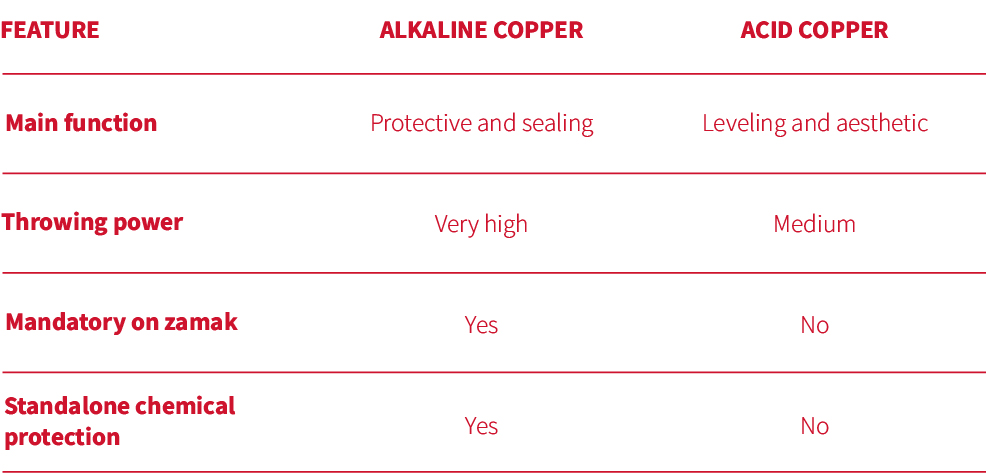
In electroplating, copper is deposited using two distinct and complementary types of baths: alkaline copper and acid copper. Each bath performs a specific function in building the final coating.
Alkaline copper (cyanide) is the first protective step and is fundamental and mandatory when the substrate is made of zamak. It can also be used on brass. Thanks to its ability to operate at very low current densities, it deposits a thin layer with an extremely high throwing (penetrating) power, capable of reaching even the most difficult areas of the piece. Its purpose is to seal and protect the substrate from the chemical attack of subsequent baths, particularly the acid one.
Acid copper, composed of copper sulfate, sulfuric acid, chlorides, and organic additives (brighteners and levelers), is applied over the alkaline layer. It has a lamellar deposition with excellent filling properties and levels surface micro-imperfections, improving the aesthetics of the piece and giving it a brilliant appearance. However, it does not offer standalone chemical protection: if exposed directly, it would accelerate oxidation.
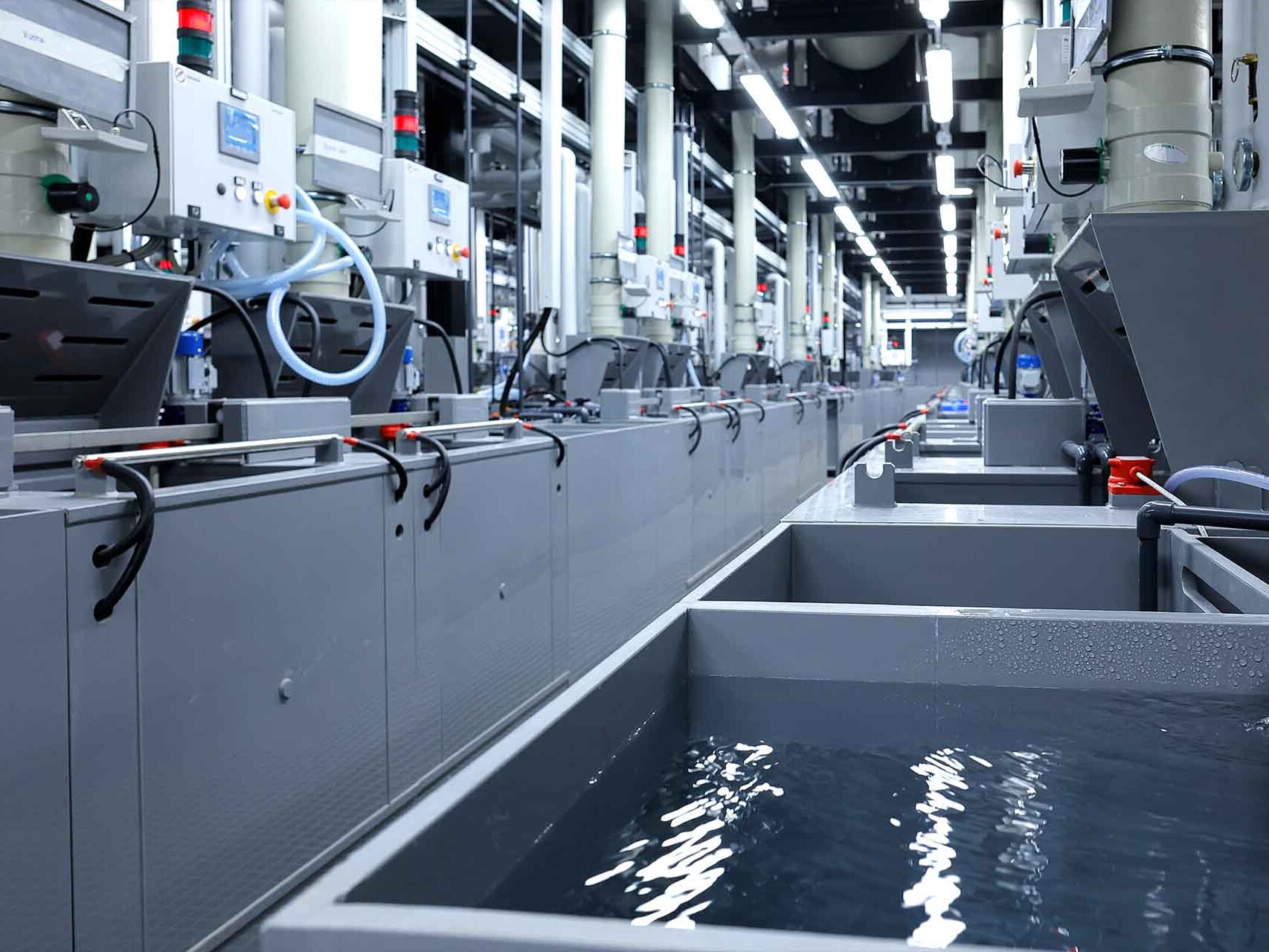
These processes are managed in automatic galvanic plants, which guarantee repeatability and strict control of bath parameters throughout the entire cycle.
Industrial and decorative applications
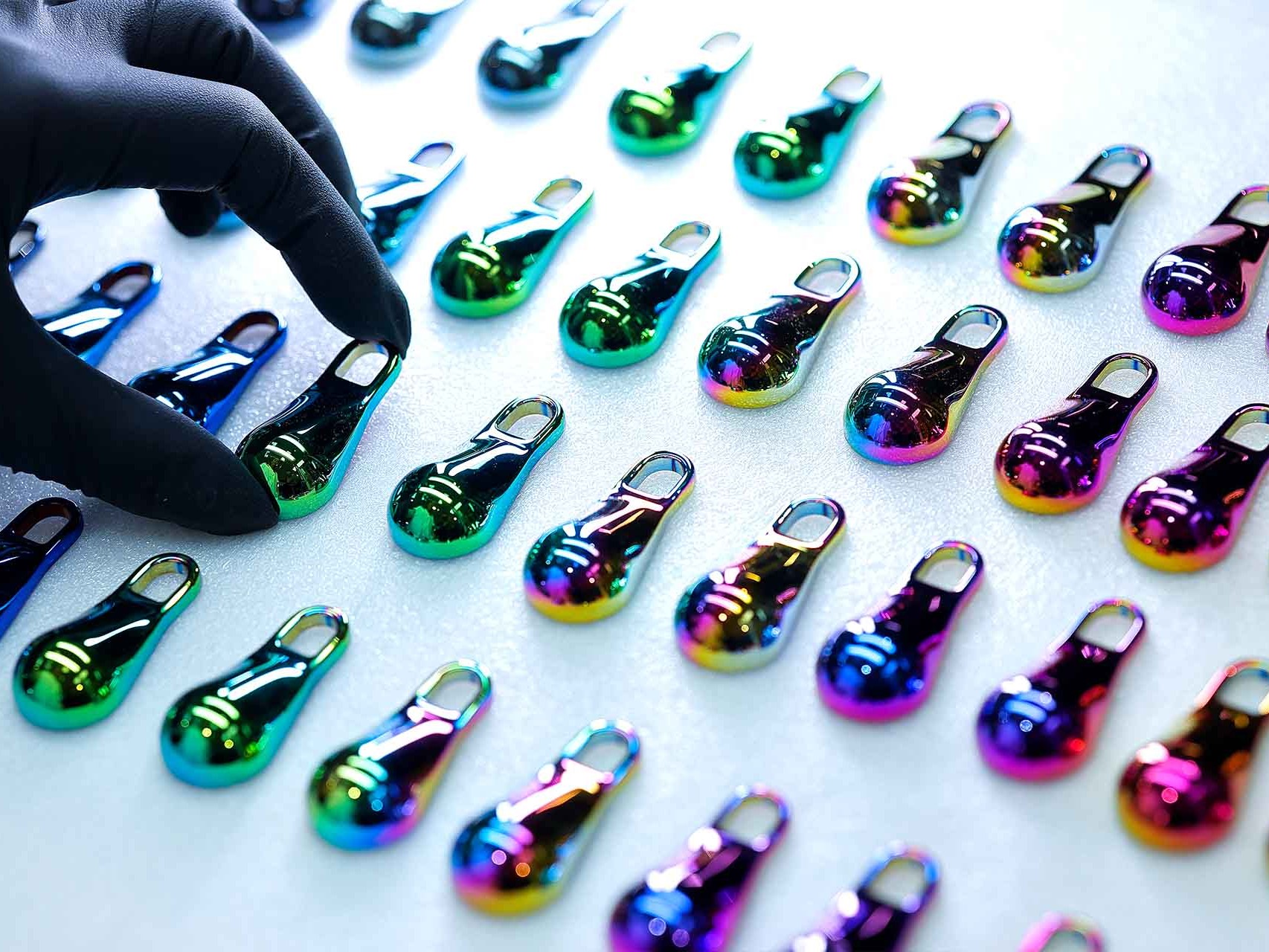
Thanks to its electrical conductivity, copper is used in the production of electronic components and contacts where signal or current transmission is a critical requirement. In the fashion and accessories sector, it acts as a base for subsequent coatings like nickel, bronze, or decorative PVD finishes, ensuring color uniformity and the adhesion of upper layers.
In furnishings, copper helps achieve smooth and uniform surfaces before the final finish is applied, reducing the visibility of micro-defects on the base metal.
Copper oxidation: causes and solutions
Copper oxidation is an intrinsic characteristic of the metal: upon contact with the environment, it tends to form surface compounds that alter its color and brightness. For this reason, copper is never left as the final surface finish.
There are two main solutions to manage this limitation. Passivation, a chemical treatment that temporarily stabilizes the surface, and the deposition of subsequent layers (nickel or bronze, with gold, palladium or ruthenium finishes), which isolate the copper from the external environment while providing an aesthetic function. This multilayer logic is the same one used in decoating processes, where it is necessary to selectively intervene on the top coatings without compromising the underlying copper layer.

Substrate compatibility and preparation
The success of copper plating largely depends on substrate preparation. Zamak and brass surfaces require accurate degreasing and activation before immersion in the bath to ensure the adhesion of the copper layer and prevent defects such as blisters or peeling.
The choice of the most suitable bath (alkaline, acid, or both in sequence) depends on the starting alloy, the geometry of the piece, and the desired aesthetic result. Therefore, it is advisable to consult with a supplier capable of correctly evaluating the substrate and process requirements from the design phase.
Copper recycling and recovery: towards a more sustainable supply chain
Copper is a 100% recyclable metal that does not lose its chemical-physical properties, making it central to the circular economy of the electroplating sector. Recovery applies to both processing scraps and the copper present in depleted baths and purification sludge.
Proper management of copper recovery reduces the environmental impact of the process, cuts raw material costs, and complies with regulatory obligations regarding industrial wastewater treatment. For companies in the sector, integrating structured recovery procedures is both an environmental and economic advantage.
Conclusion
Copper remains an essential metal in galvanic treatments due to its unique combination of conductivity, workability, and decorative versatility. Proper management of the baths, protection from oxidation, and end-of-cycle recovery are what allow its full potential to be exploited, ensuring both product quality and process sustainability.

Did you find the article interesting? Share it now.
Did you find something interesting? Contact us now!
LEM technicians are ready to address any questions or concerns you may have.
Request more information and discover our tailor-made solutions.