
How to choose a PVD and galvanic treatment supplier: 5 key criteria
The 5 key criteria for choosing a supplier
Surface treatment is not an accessory phase of the production cycle, but affects: aesthetic quality, durability, and regulatory compliance of the finished product. Choosing the wrong PVD and galvanic treatment supplier can mean rework, delays, and non-conformities that are difficult to recover.
In this guide, we analyze the 5 key criteria to evaluate, in our opinion, a reliable partner:
- process control and internal laboratory;
- certifications and regulatory compliance;
- support in the product development phase;
- production flexibility;
- economic and organizational stability.
For each, we explain, with concrete examples, why it is relevant. Finally, we provide a final checklist of questions to ask the supplier.
For a broader overview of the topic, read first: Outsourcing PVD and galvanic treatments: advantages, risks, and strategies.ategie.

1. Process control and internal laboratory
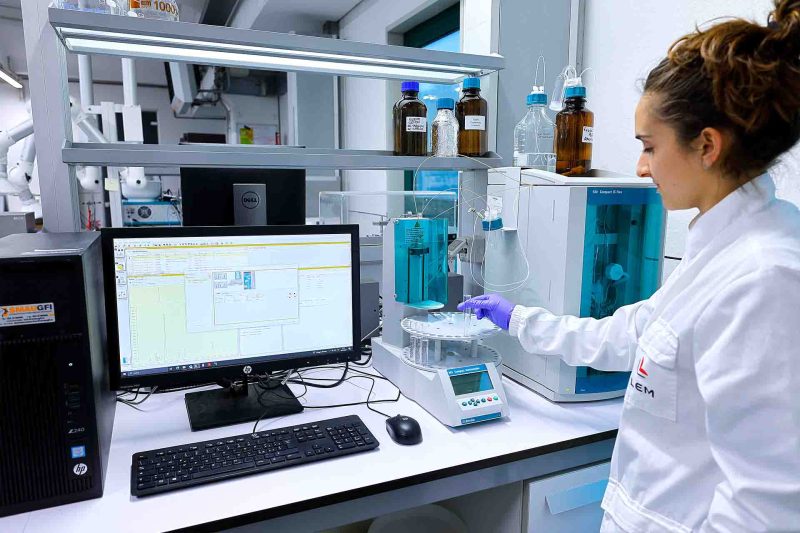
It is mandatory for a PVD and galvanic treatment supplier to have internal process control capable of independently verifying the aesthetic quality and coating properties on the processed product. Thicknesses, adhesion, resistance, and color matching require a standardized and calibrated path that confirms the customer’s requests.
The problem clearly emerges on products with stringent specifications, especially when working with precious metals, whose deposition must be managed to the micron. Without dedicated instrumentation and proper planning of the production process, control becomes discontinuous, and the risk of defective or non-repeatable batches increases.
The internal laboratory is another very important control factor for LEM, as it allows testing the quality of the baths, keeping them stable, and responding quickly to any process issues.
It must also be specified, as for surface treatments dedicated to the luxury world, that compliance with quality standards managed with the ISO 9001 system is a very important added value for the aesthetic quality and technical performance of the treated products.
2. Certifications and regulatory compliance
The specific regulatory profile of galvanic and PVD treatments, such as REACH and RoHS, must also be considered. A supplier who does not oversee these aspects transfers a legal and reputational risk to the customer.
A contractor providing a service to luxury brands must, in turn, be able to guarantee its final customers the traceability of its entire supply chain. Without adequate mapping and controls, even a single audit can become a serious problem.
LEM holds numerous certifications, all available in the Documents & Certifications section.
3. Support capacity in the product development phase
A supplier with knowledge of both technologies can program the most suitable path for the customer’s product, taking into consideration all the most important factors: substrate, geometries, use, and price. Every error in this phase is paid for in iterative prototyping.
Another extremely important role is played by the industrialization department, whose technical support in the first phase is certainly a direct indicator of the partner’s maturity: planning the accessory’s industrialization path to the millimeter means preventive analysis capacity, not just execution. And it often requires sharing assemblies and pre-assemblies before treatment.
LEM supports the customer from the feasibility phase to production launch through the industrialization service, with cycle optimization and sampling management.
4. Production flexibility
Small batches, urgent sampling, color variations at short notice: a supplier structured only for large volumes cannot withstand these needs. Surface treatment becomes the bottleneck of the entire supply chain.
The problem is particularly critical in fashion and design, where collections are renewed seasonally and the sampling window is narrow. If the third-party galvanic and PVD partner imposes high minimums or fixed times, product validation slips and launch times lengthen.
Production flexibility is not just about volumes: it includes the ability to work on multiple technologies (PVD and electroplating), on different substrates, and with finishes that can vary even within the same order.
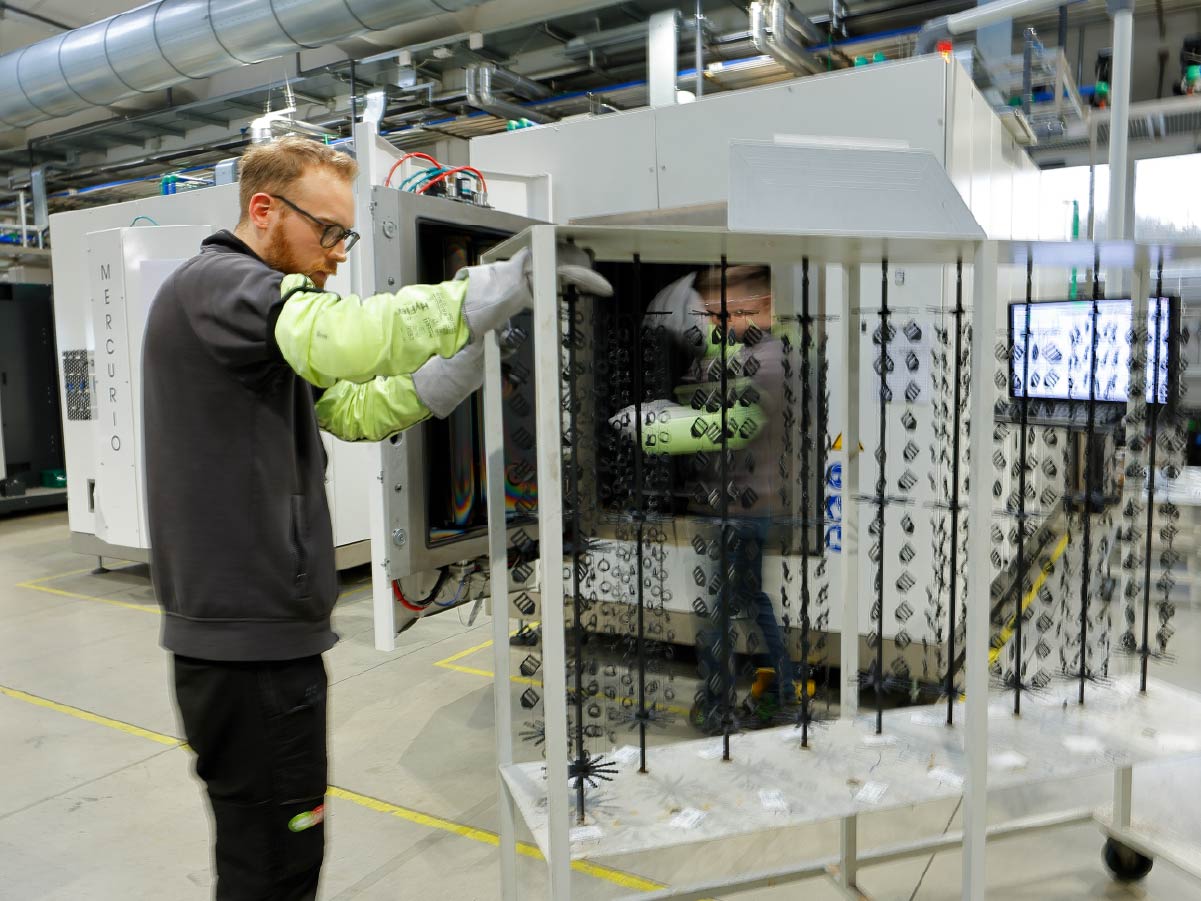
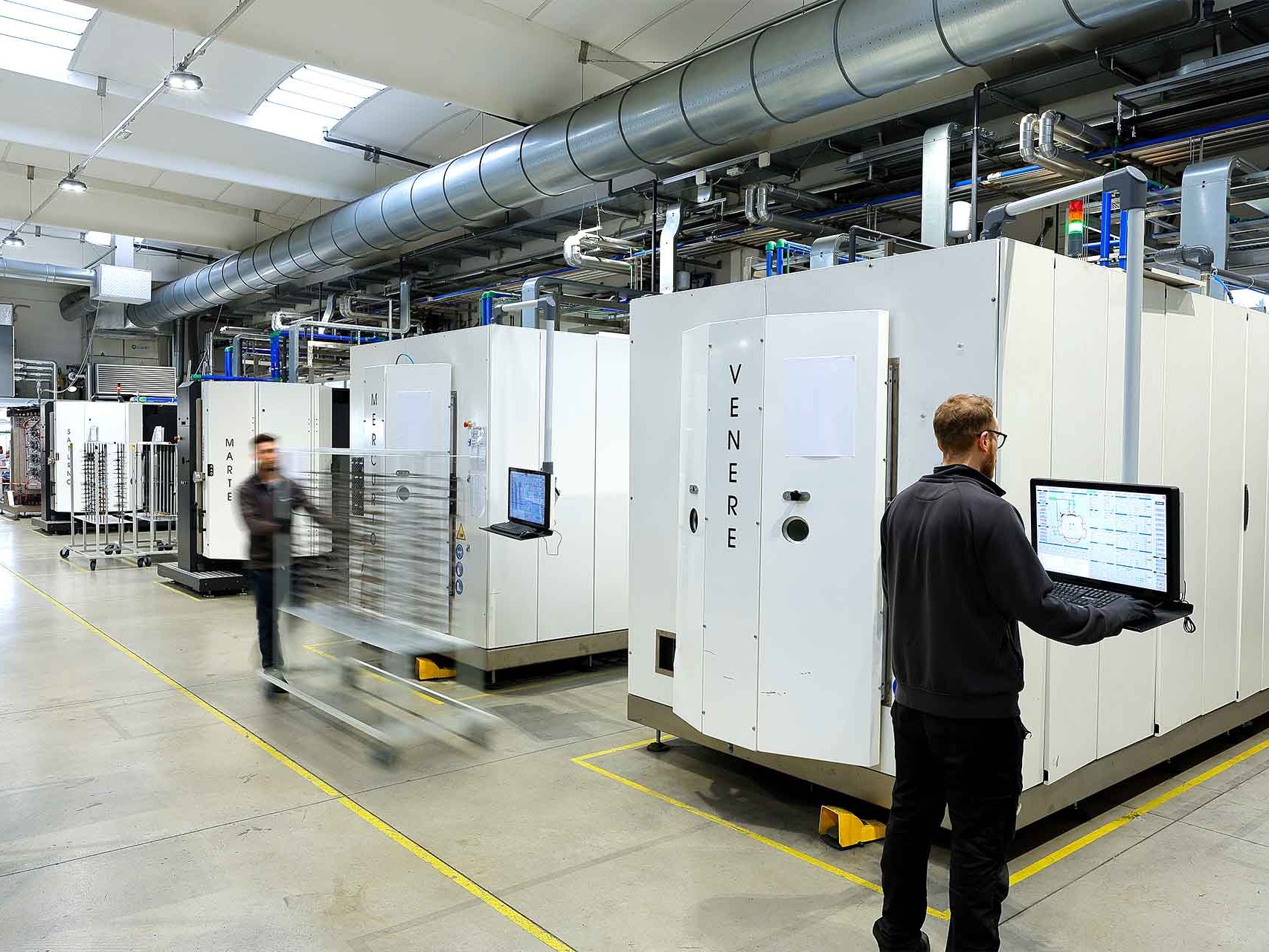
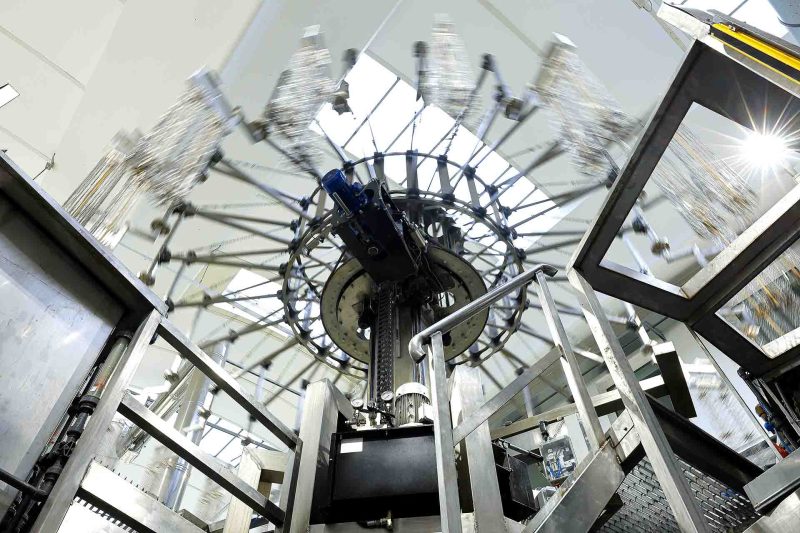
LEM manages batches from a few samples to large serial volumes, with a PVD plant, automatic galvanic plant, manual galvanic plant, and barrel plating, and a customer service dedicated to managing priorities.
5. Economic and organizational stability
A financially fragile or undersized surface treatment supplier is a systemic risk. In the event of plant shutdowns, changes of ownership, or supply difficulties, the customer’s production continuity is directly exposed.
Those who depend on a single contractor without ever having evaluated its solidity find themselves in a vulnerable position: a liquidity crisis, an environmental inspection, or even just an unmanaged peak in demand can interrupt supply without notice.
Evaluating the partner’s stability means looking at the corporate structure, historical continuity in the sector, and investment capacity in plants and training, not just the price per cycle.
LEM is part of the LEM INDUSTRIES group, with a decades-long history in the sector, its own plants, and a documented sustainability path in the ESG Pillars.
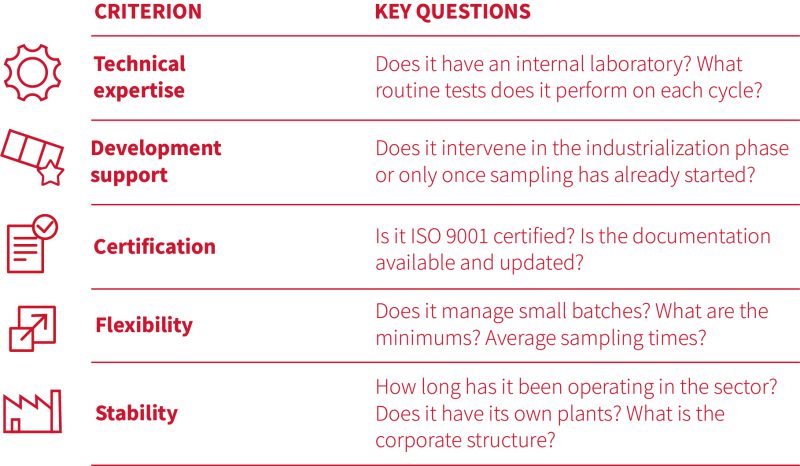
Checklist: questions to ask the supplier
Conclusions
Choosing a PVD and galvanic treatment supplier is not a one-time operation: it must be reviewed when volumes, reference markets, or regulatory requirements change. The five criteria described are a starting point for a structured evaluation, regardless of the sector and the technology involved.
To learn more about the differences between PVD and galvanic treatments, or to start a technical conversation with the LEM team: Contacts.

Did you find the article interesting? Share it now.
Did you find something interesting? Contact us now!
LEM technicians are ready to address any questions or concerns you may have.
Request more information and discover our tailor-made solutions.