

PVD Target: what it is, source material, geometry, and thermal management
What is the PVD target?
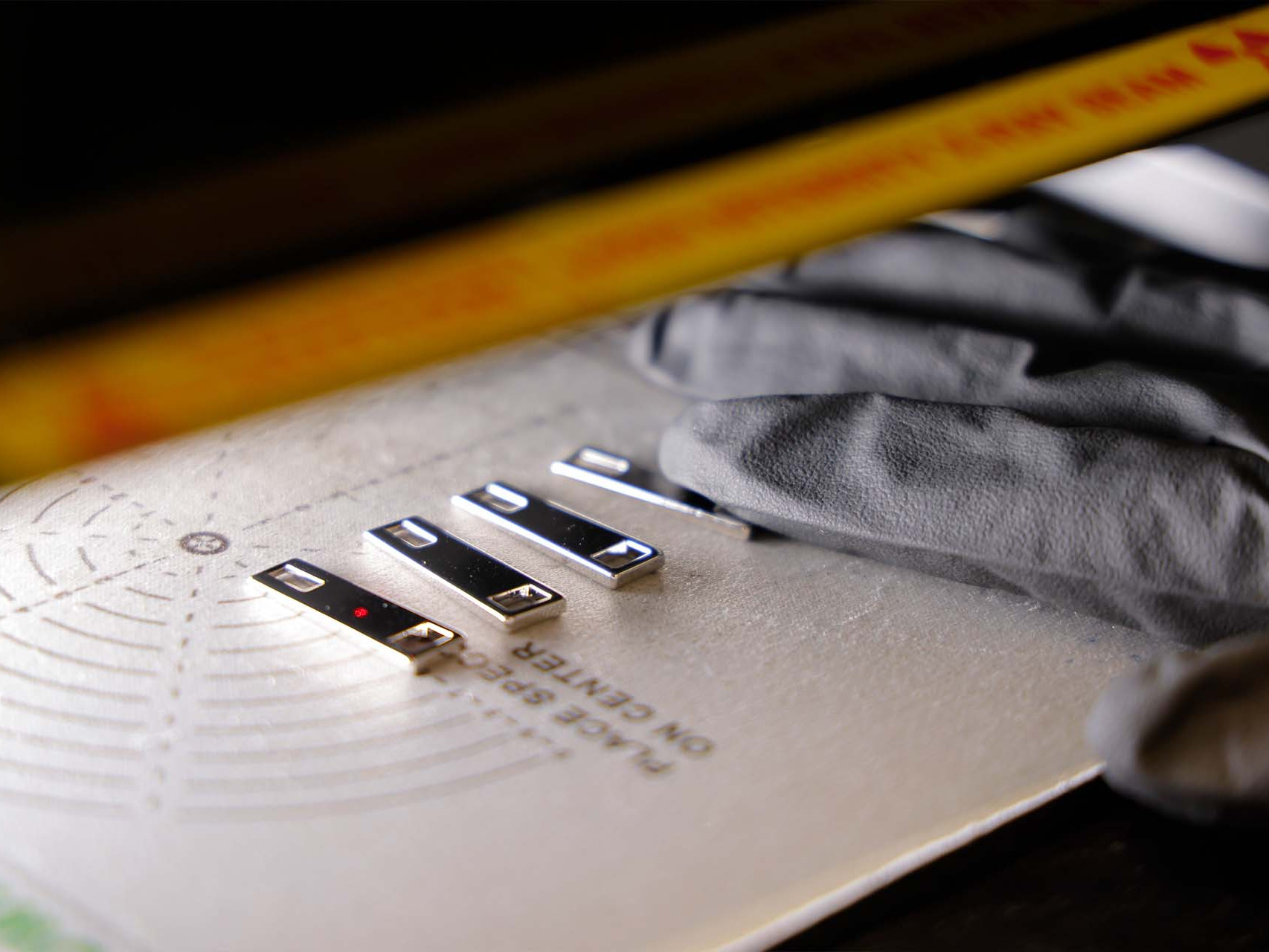
In the PVD (Physical Vapour Deposition) process, the target is the source material: the solid that, when subjected to erosion inside the deposition chamber, releases atoms that migrate and deposit as a thin film on the substrate surface.
Depending on the technique used, sputtering or cathodic arc, the erosion mechanism changes, but the role of the target remains unchanged: it is the source of the material that will make up the final coating.

Source material and purity
The most widely used materials are pure metals or alloys: titanium (Ti), chromium (Cr), zirconium (Zr), aluminum (Al), copper (Cu), stainless steels, gold, and silver for decorative applications.
Target purity is a critical parameter. Impurities in the source material translate directly into defects in the deposited film, with negative effects on:
- hardness and structural compactness of the coating
- adhesion to the substrate
- color and uniformity of the finish
- corrosion resistance
Standard purity grades range from 99.5% up to 99.99% (4N) and beyond. The choice depends on the application: high-performance functional coatings require higher purity compared to purely aesthetic finishes. The management of this parameter falls directly into the quality control of the process.
Geometry and technical specifications
The shape of the target is not standardized: it depends on the configuration of the deposition chamber and the type of source employed.
- Circular (planar): the most common format. Compatible with standard circular magnetrons, it ensures good erosion uniformity. Typical diameters range from 50 mm to over 500 mm.
- Rectangular (planar): suitable for large-format chambers or deposition on flat, elongated substrates. It optimizes coverage on non-symmetrical geometries.
- Tubular (rotating): the target rotates during deposition, distributing the erosion over the entire cylindrical surface. This brings the material utilization rate to over 80%, compared to the 20–30% typical of planar targets, offering a significant advantage in terms of cost per cycle and production continuity.
Choosing the correct geometry is part of the industrialization process that LEM manages internally before starting production on PVD systems, and it depends on the type of objects treated and the materials used to grow the coating.
Efficiency and thermal management
During deposition, the target absorbs a considerable part of the process energy and heats up. Inadequate cooling can cause deformations, variations in the erosion rate, and plasma contamination.
For this reason, targets are integrated into systems with active water cooling. Thermal behavior varies significantly depending on the material:
- High thermal conductivity (Cu, Al): they dissipate heat rapidly, resulting in easier management.
- Refractory materials (W, Mo, Cr): lower conductivity, requiring greater attention to the applied power and ramp rate.
Monitoring the erosion rate over time is also essential for planning replacements: a partially consumed target can alter the uniformity of the deposit and, consequently, the repeatability of the coating from one cycle to the next.
Discover how LEM manages PVD deposition cycles: Production process

Did you find the article interesting? Share it now.
Did you find something interesting? Contact us now!
LEM technicians are ready to address any questions or concerns you may have.
Request more information and discover our tailor-made solutions.